Published On 16th June, 2026
Strengthening the Infrastructure of Change through the Impact Readiness Validation Workshop
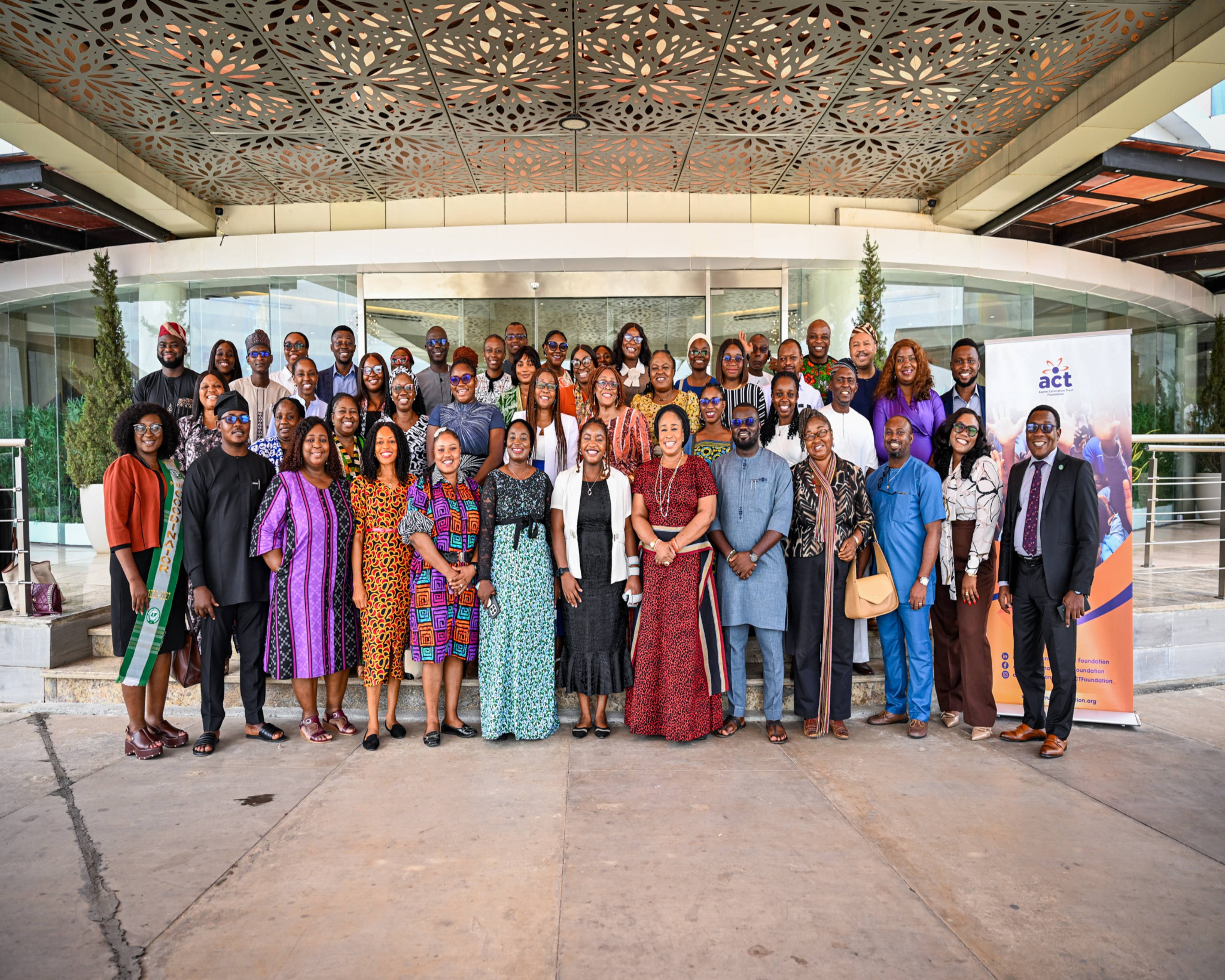
At ACT Foundation, we understand that long-term transformation in Africa requires robust organizations, not just short-term funding. Passion is a great starting point, but nonprofits need strong internal structures to survive and scale. This belief inspired our Impact Readiness Program. Following a series of rigorous organizational assessments, we recently hosted a day-long validation workshop with executive leaders from participating grantee organizations. Rather than delivering rigid "report cards," we created a transparent space for leaders to review their systems, confront operational gaps, and co-design a roadmap for sustainability.
The session opened with a comprehensive look at the data. The metrics revealed that high performing organizations succeed by design, consistently mastering five key habits. They diversify their funding to avoid single-donor dependency, build community feedback directly into their programs, and pivot quickly based on stakeholder recommendations. They also ground their work in continuous research and maintain reporting standards that align with global donor expectations.
This data sparked an honest conversation about the hurdles facing the organizations that didn’t emerge very strongly according to the data. One of the biggest barriers keeping them from the top tier was the lack of documented systems. Many brilliant teams rely heavily on informal practices and institutional memory. Leaders and facilitators unpacked why shifting from verbal agreements to formalized Standard Operating Procedures (SOPs) is not just bureaucracy but a vital survival mechanism for accountability and smooth staff transitions.
The focus then turned to governance, with Dr. Ini Abimbola leading a discussion on board disengagement. She challenged executives to implement a structured board orientation right that should clearly define the lines between governance and daily management. She noted that this framework should establish strict compliance standards and outline the long-term priorities the board is expected to champion.
Thereafter, the executives moved into breakout sessions to tackle day-to-day operational challenges. Stripping away corporate jargon, leaders isolated three main priorities they are actively solving on the ground. First, they need to codify clear SOPs across all programs to protect delivery quality during staff turnover. Second, they must address understaffing and heavy workloads by refining HR systems and prioritizing workplace wellness. Finally, they need to build adaptive internal structures that keep programs running smoothly despite unpredictable regulatory and policy changes.
The workshop concluded with a shared commitment to radical organizational growth. ACT Foundation is proud to stand alongside leaders who understand that changing the future of Africa requires the gritty, uncompromising work of building resilient institutions.